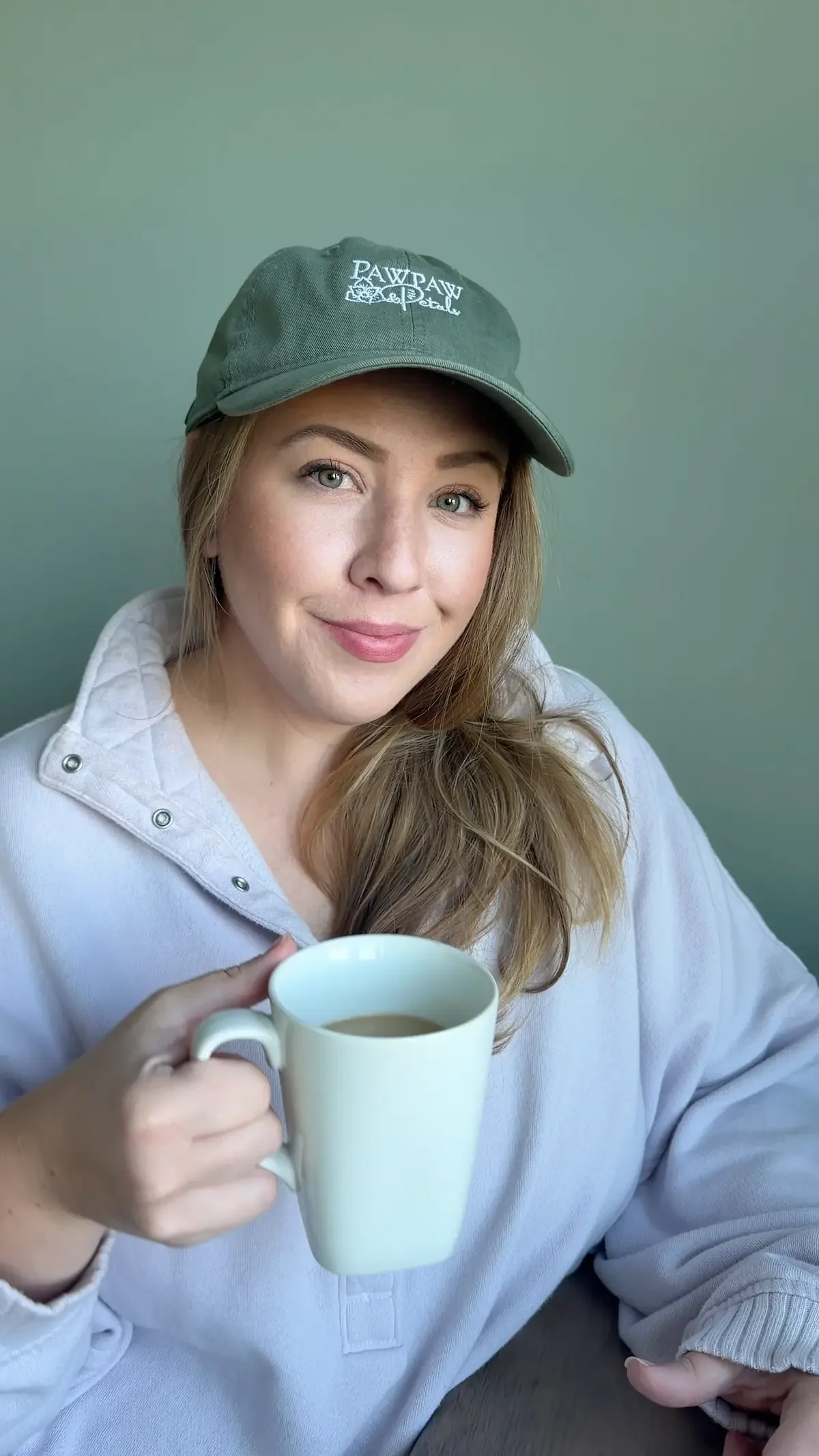
Hi, I’m Kayla.
Four years ago, my husband Chad and I bought two acres of old farmland in suburban West Virginia. It came with a house, an HOA, and not much else. No trees to speak of, a stand of tree of heaven and autumn olive along the edge, and a whole lot of grass.
We pulled the invasives that first season and planted about sixty trees and shrubs, most of them barely bigger than sticks. Then came the hard part: waiting. Watching young trees slowly fill in, chipping away at the lawn one bed at a time, and learning (sometimes the hard way) what actually grows in our limestone-heavy Zone 7 soil and how to plant natives for beauty.
Today those stick-sized plum whips are some of the biggest trees on the property. We have caterpillars on the milkweed and pawpaws, a kitchen garden big enough to feed us through much of the year, a native cottage garden out front, and a dug-out hole that will be a wildlife pond by next spring. It’s still very much a work in progress, and I love that about it.
Why we’re doing this
When I was pregnant with our first, I read Richard Louv’s Last Child in the Woods and Angela Hanscom’s Balanced and Barefoot, and both changed how I thought about childhood. I wanted our kids to grow up with dirt under their nails, bugs to follow, and a backyard more interesting than a screen. Then Doug Tallamy’s Nature’s Best Hope showed me how: by planting natives that feed the insects that feed the birds, our yard could support our kids and our local wildlife at the same time.
What Pawpaw & Petals is about
This is where I share what we’re building and what we’re learning along the way: native habitat, organic food gardening, wildlife-friendly landscaping, and a family life lived a little closer to nature.
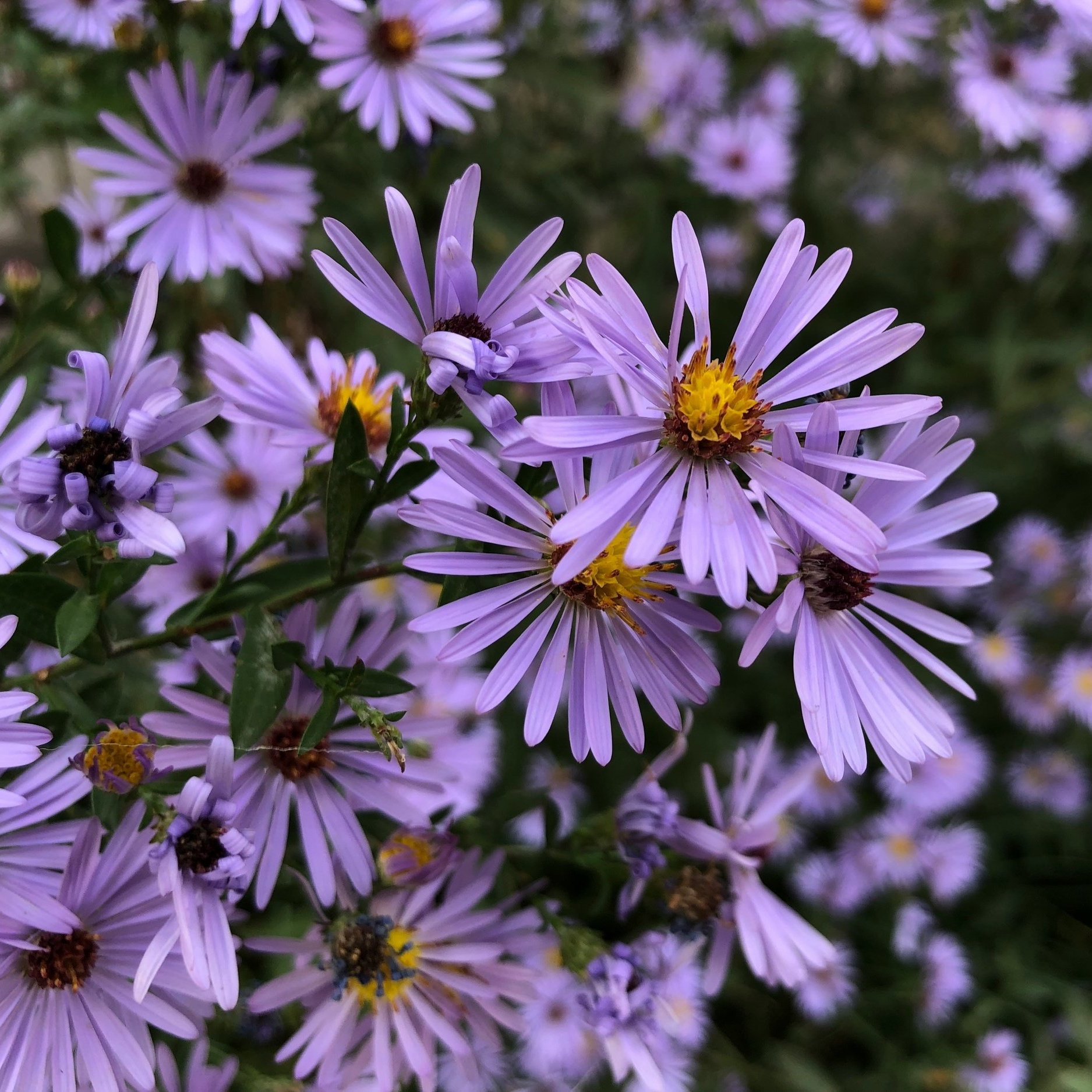
And I do it with the same constraints you likely have. Chad and I both work full-time. We have two toddlers. We live in an HOA. I’m not a purist either (I still love my lavender and lilac). You’ll see the wins here, and you’ll also see the oaks varieties that struggled in our yard and the roses I lost to rose rosette. I’d rather show you the real thing so you can skip some of our mistakes.
My hope is that you leave here believing you can do this too, even in the suburbs, even with an HOA, even while working.
The team
Chad is the habitat brain behind our property. He’s a Master Naturalist and leads our native tree and shrub planting and restoration work. I handle the cottage garden design, food garden, and most of what you see on camera. By day we work full-time as an IT project manager and Software Engineer, and volunteer with the Potomac Valley Audubon Society.